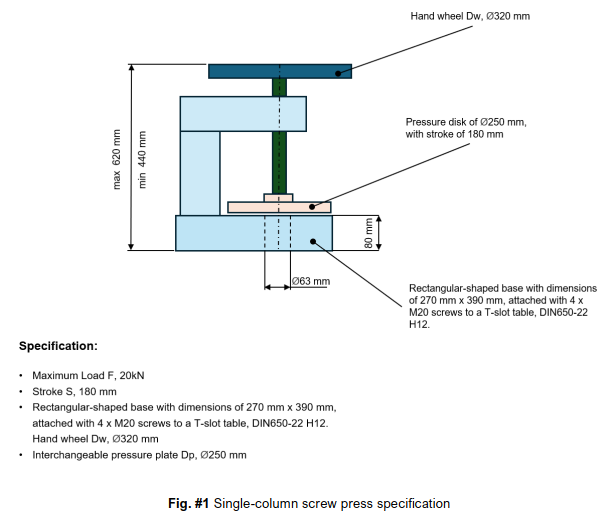
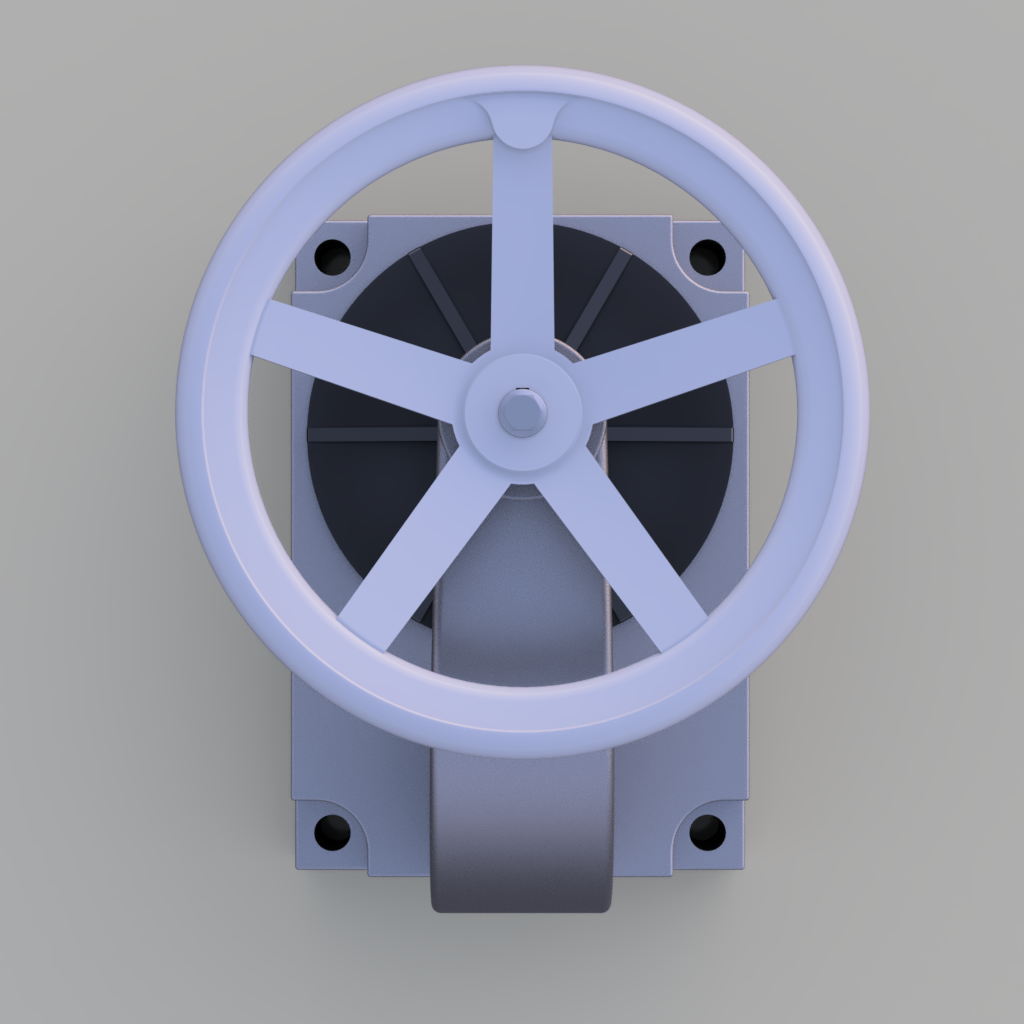
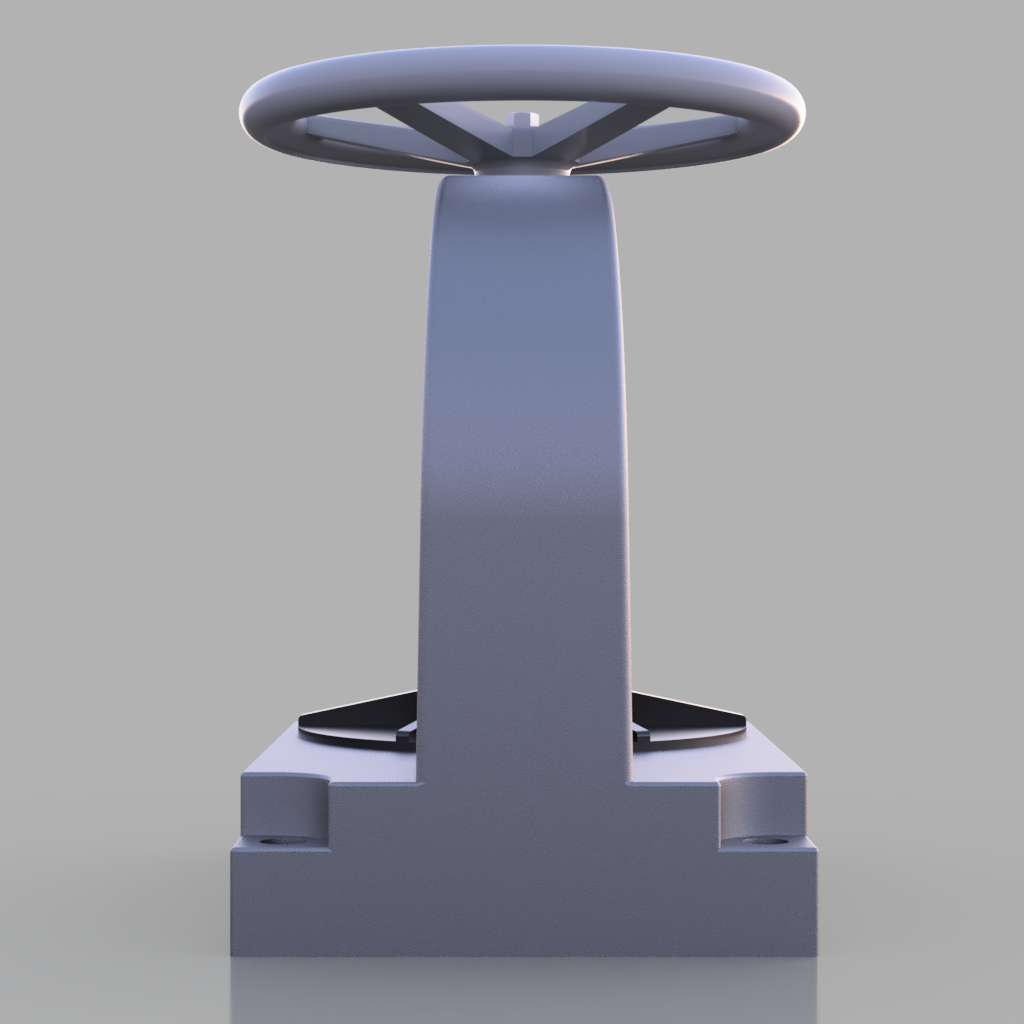
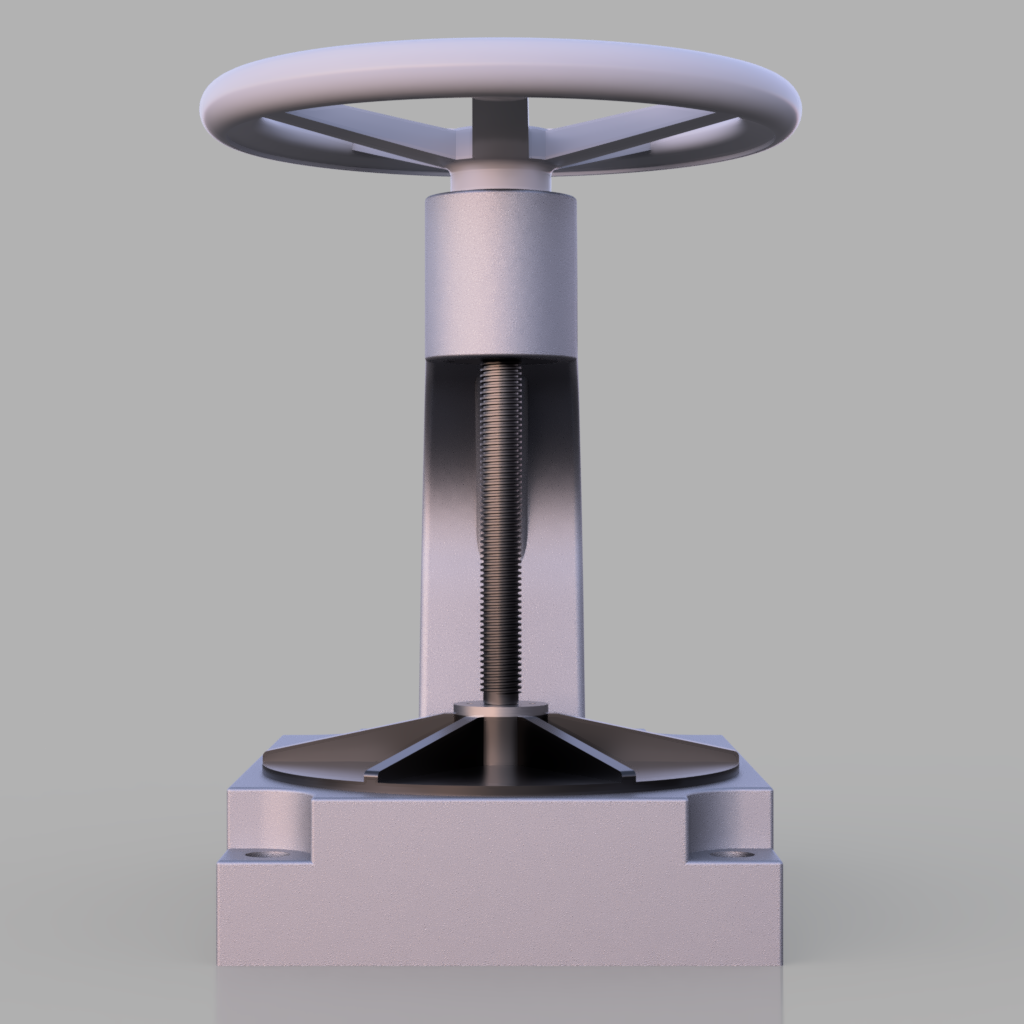
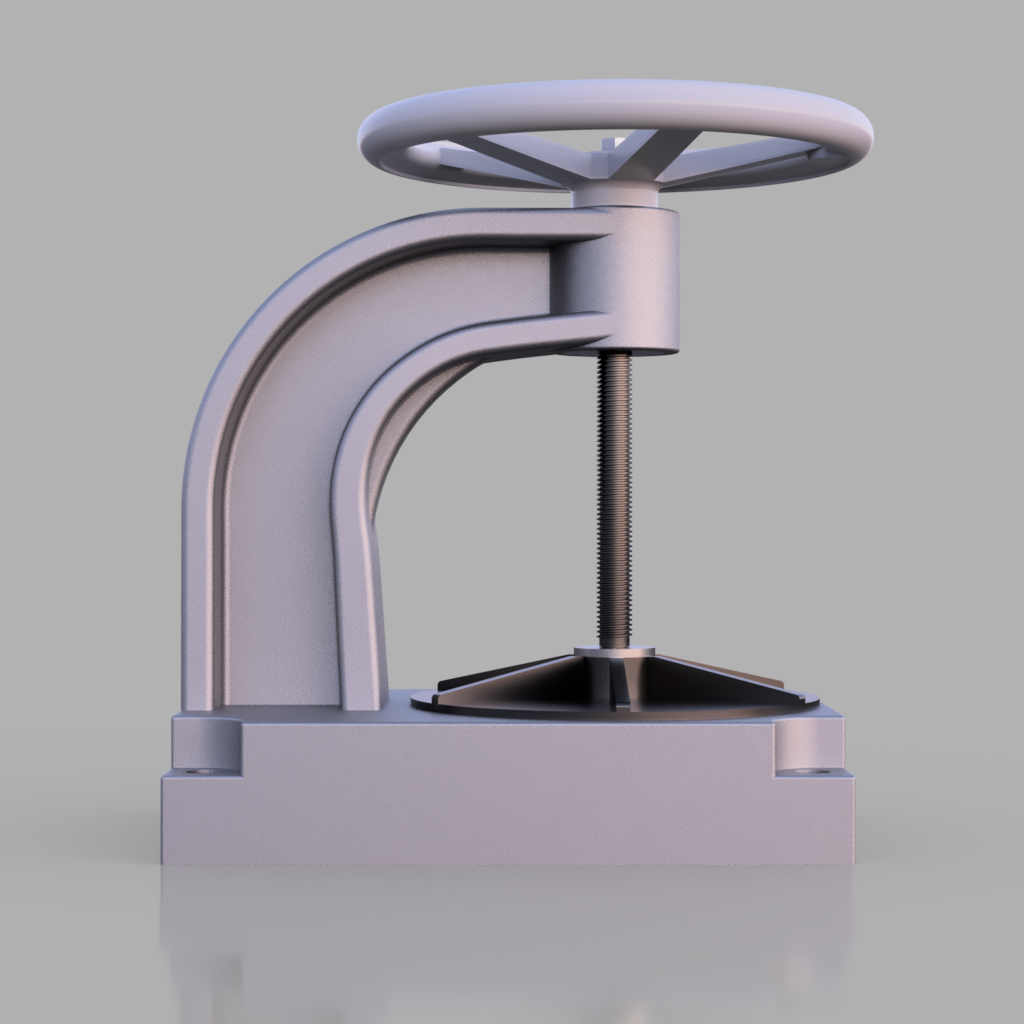
Single Power Screw Press Machine - Component and Connection Calculations
This project involves the design and optimization of a Single Power Screw Press Machine. The goal is to determine the calculations for each of its components and their interconnections for optimized performance.
Required Project Output
The project involves designing a Single Power Screw Press Machine, which includes selecting suitable materials, performing analytical and numerical validation, creating 3D CAD models, generating working drawings, and providing an assembly drawing. Finally, a calculation report will document the design methodology, results, and analysis to ensure optimal performance and safety.
1. A completed project must have:
CALCULATIONS
2. Methods
The analysis followed systematic mechanical engineering design practices. Calculations were carried out using fundamental equations for:
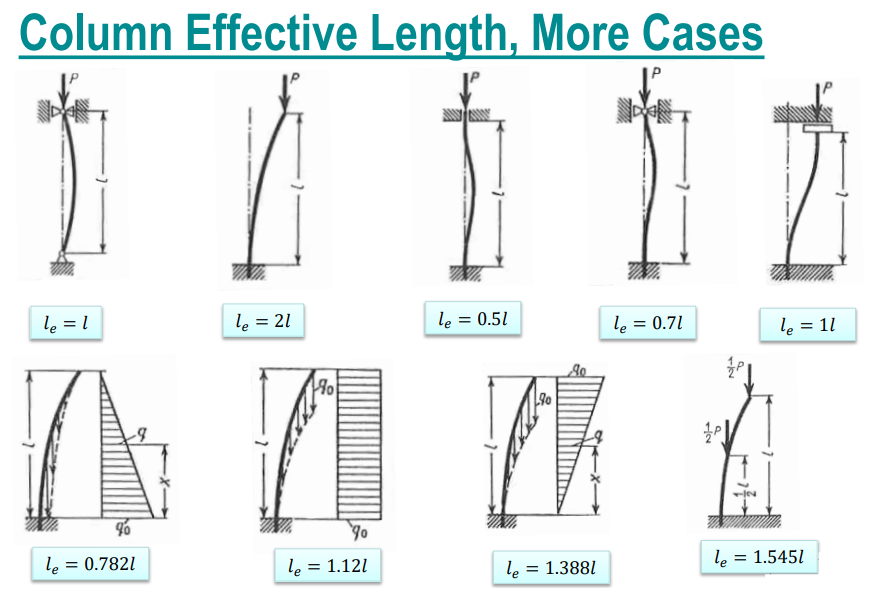
2.1 Compressive Buckling and Safety Factor Evaluation Using Johnson's Formula:
The friction coefficient between screw and the bronze washer:
μc:=0.12
T(dp,ρ,α,P,rc,μc):=0.5dptan(ρ+α)P+rcμcP
α:=arctan(dpπPp)=2.74∘
ρ:=arctan(μ)=6.843∘
rc:=2dp
Max Torque:
Tmax:=T(dp,ρ,α,W,rc,μc)=57.632N⋅m
Thread Torque:
Tthread(dp,ρ,α,P):=0.5dptan(ρ+α)P
Tact=33.688N⋅m
Mating Face Torque:
Tmating(rc,μc,P):=rcμcP
Tma_act=23.945N⋅m
2.4. Force on Handwheel:
Size of the handle wheel:
Dhw:=315mm
Ph:=DhwTmax=182.96N
Given that the average maximum sustainable force applied by a human is typically considered to be around 250 N, the required force falls well within acceptable human ergonomic limits.
2.5. Checking stress in Screw:
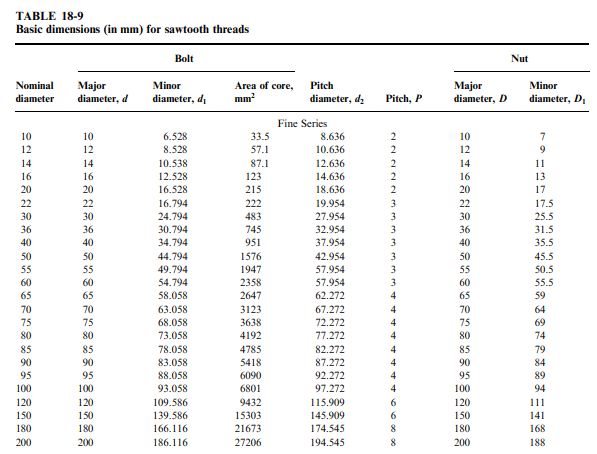
dmin:=16.794mm
Shear stress due to torque:
τ(T,d):=16πdmin3T
τmax:=τ(Tmax,dmin)=61.969MPa
Compression stress due to the force:
P:=W=20kN
σc:=A(dmin)P=90.288MPa
Equivalent stress:
σequ:=σc2+3τmax2=140.258MPa
2.6. Structural assessment of nut:
Wash material: High leaded Tin Bronze, UNS C93200, Copper casting alloy, Bearing Bronze SAE 660
Sub:=240MPa
nns:=1.3
dmj:=22mm
Sb:=9.5MPa
τall:=0.4.Sub=96MPa
nr:=10
Shear stress in thread:
τ=π⋅dr⋅nr⋅p⋅ψP≤nssτall=nss0.6Su
Minimum Nut Height to Prevent Thread Stripping:
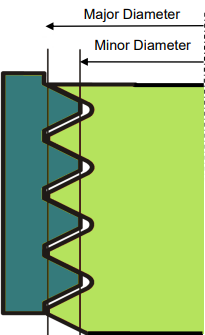
The minimum thread convolution in the nut to avoid thread stripping:
nr,s(P,nr,d,p,ψ,τall):=π⋅d⋅p⋅ψ⋅τallP⋅nr
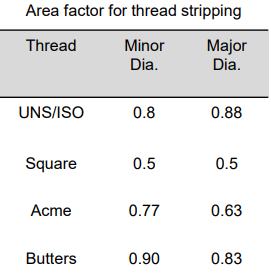
Area factor for the major diameter (Buttress thread):
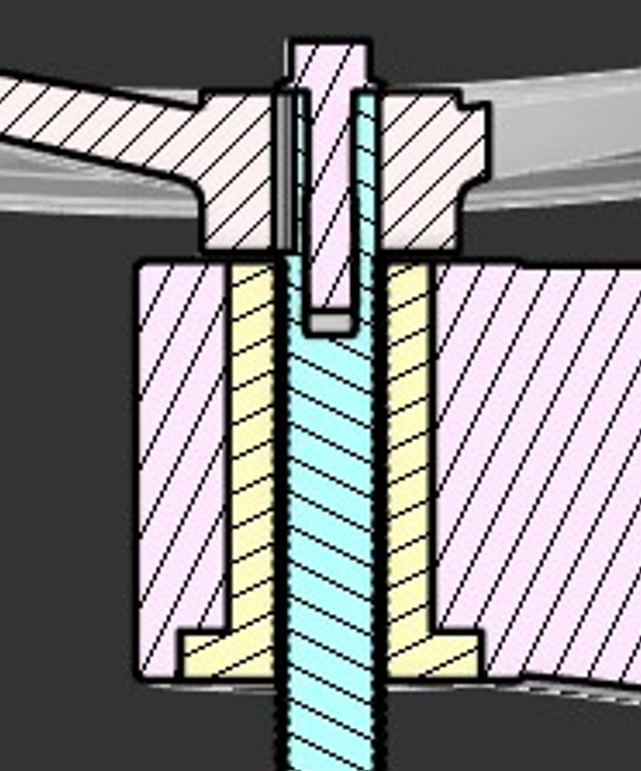
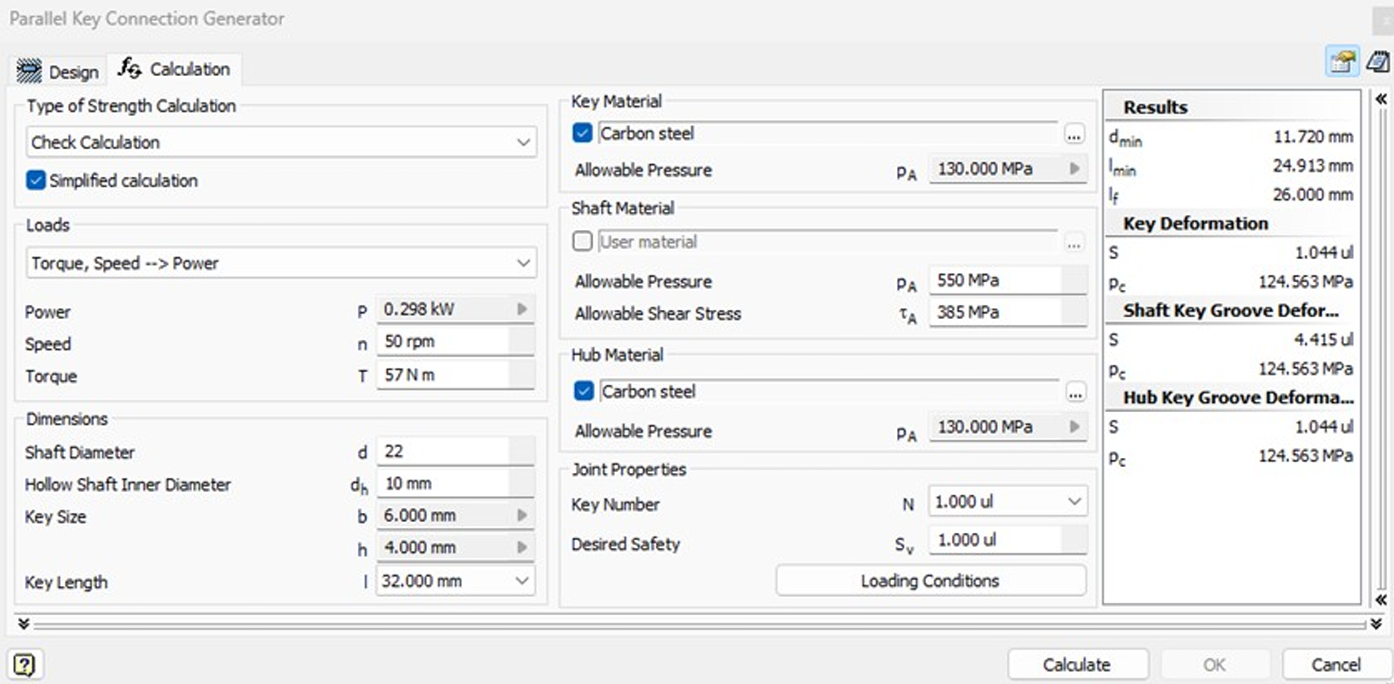
The key dimensions and safety verification were validated using Autodesk Inventor's Parallel Key Connection Generator module.
Torque: 57 N·m | Shaft diameter: 22 mm | Key size: 6×4 mm | Key length: 32 mm
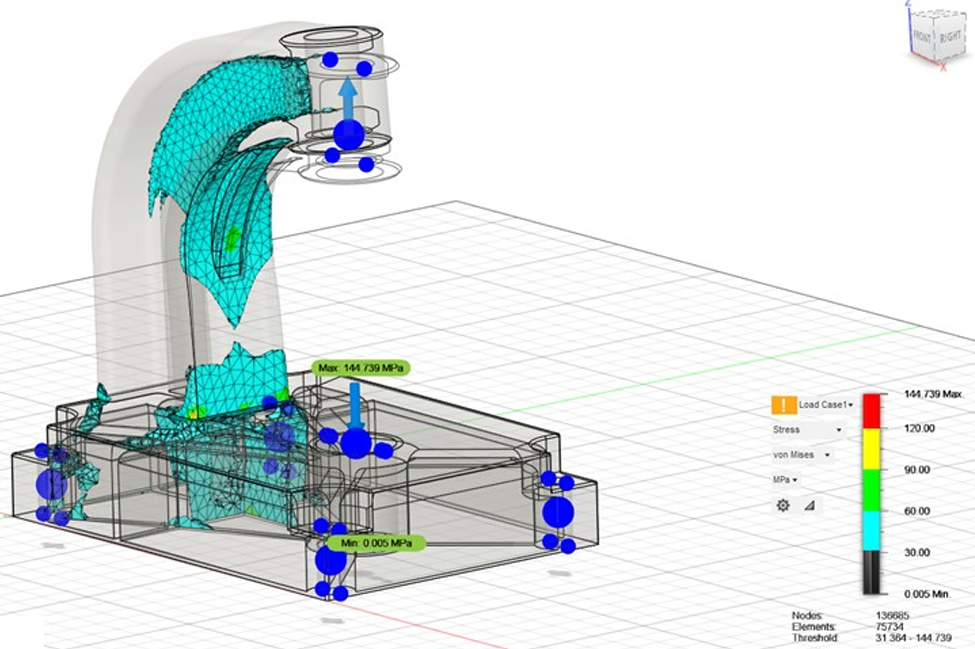
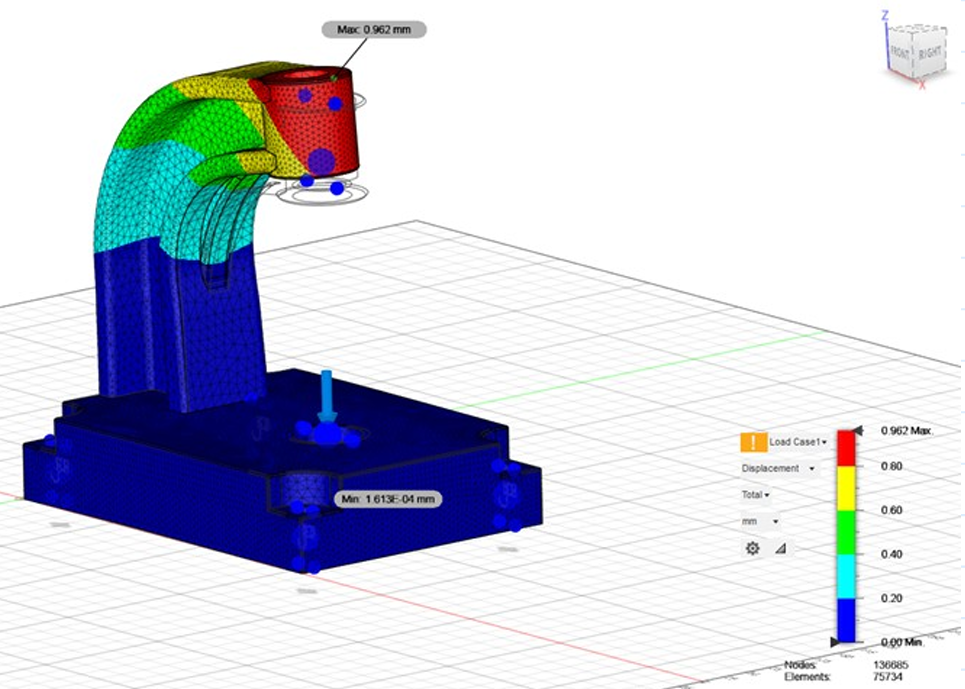
2.9. Base analysis:
Maximum Stress: 145 MPa
Maximum Displacement: 0.96 mm
Finite element analysis performed to evaluate stress distribution and structural displacement under maximum load conditions.
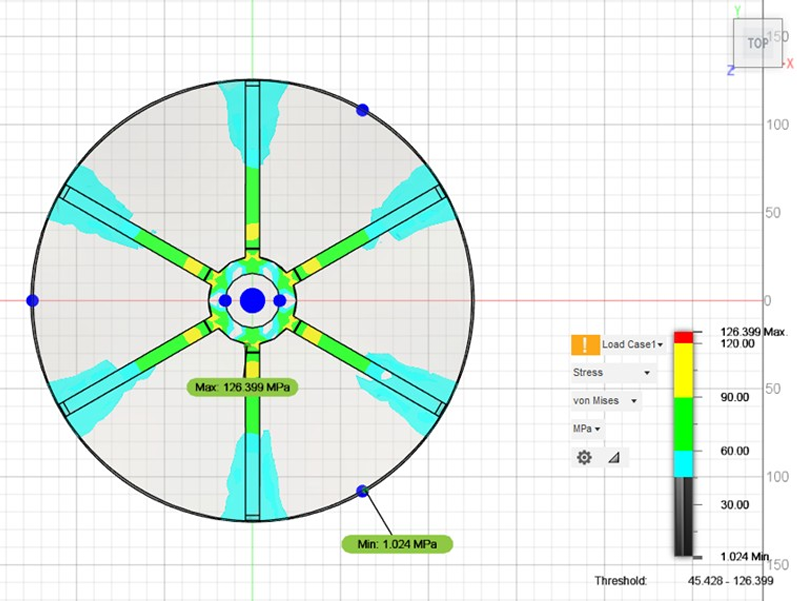
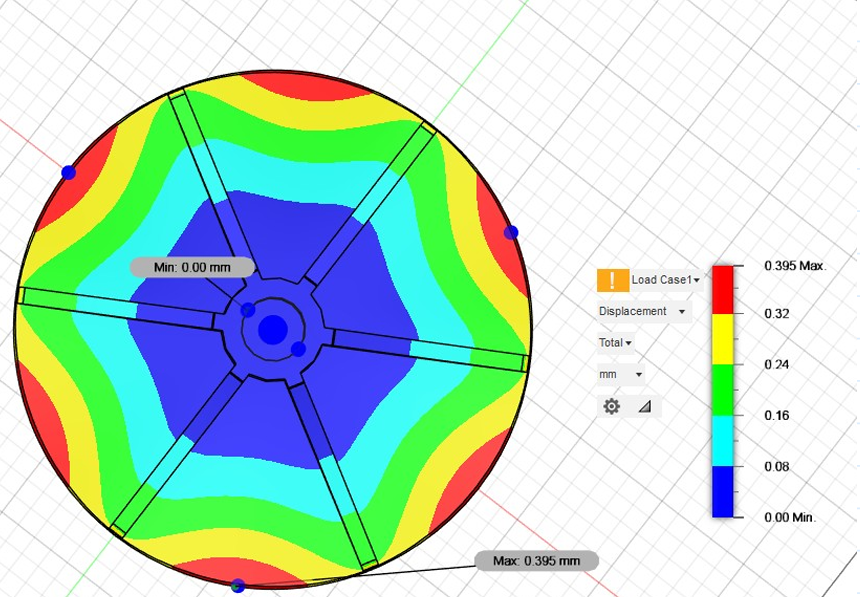
2.10. Pressure plate analysis:
Maximum Stress: 126 MPa
Maximum Displacement: 0.39 mm
Material properties and component dimensions were selected based on standard references such as Fundamentals of Machine Elements and Engineering Drawing and Design. Conservative design assumptions were applied.
RESULTS
3. Discussion
The results of the mechanical design and structural analyses are presented and discussed in the following sections. Detailed evaluations include screw selection and buckling verification, stress assessment of critical components, nut structural validation, torque and efficiency calculations, and contact stress evaluation at the screw–washer interface.
The subsequent sections include:
• 3.1. Screw Selection and Buckling Check
• 3.2. Stress Analysis
• 3.3. Nut Assessment
• 3.4. Torque Requirements and Efficiency
• 3.5. Contact Stress (Screw–Washer Interface)
3.1. Screw Selection and Buckling Check:
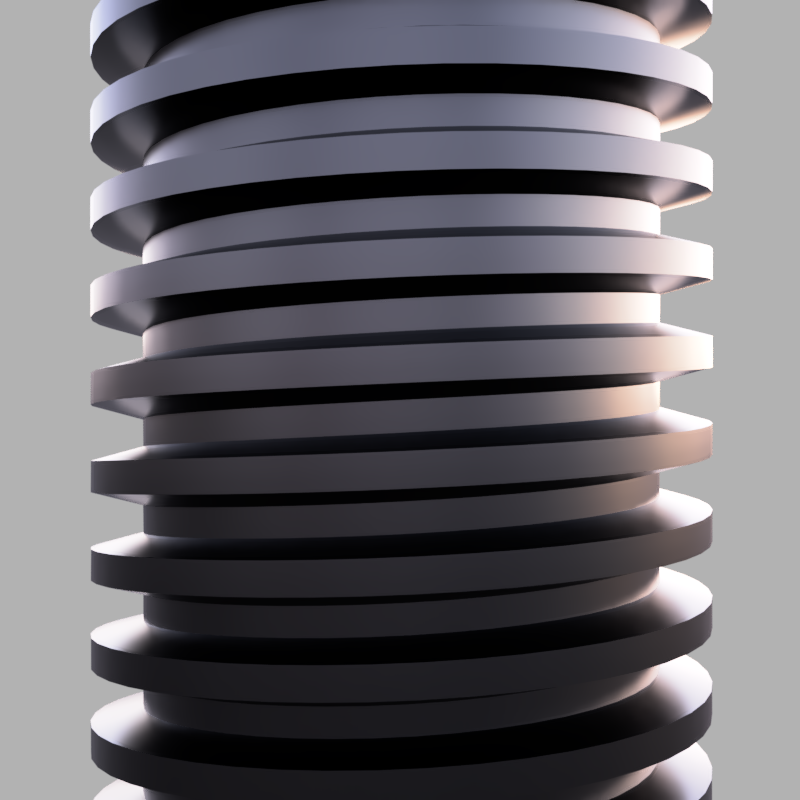
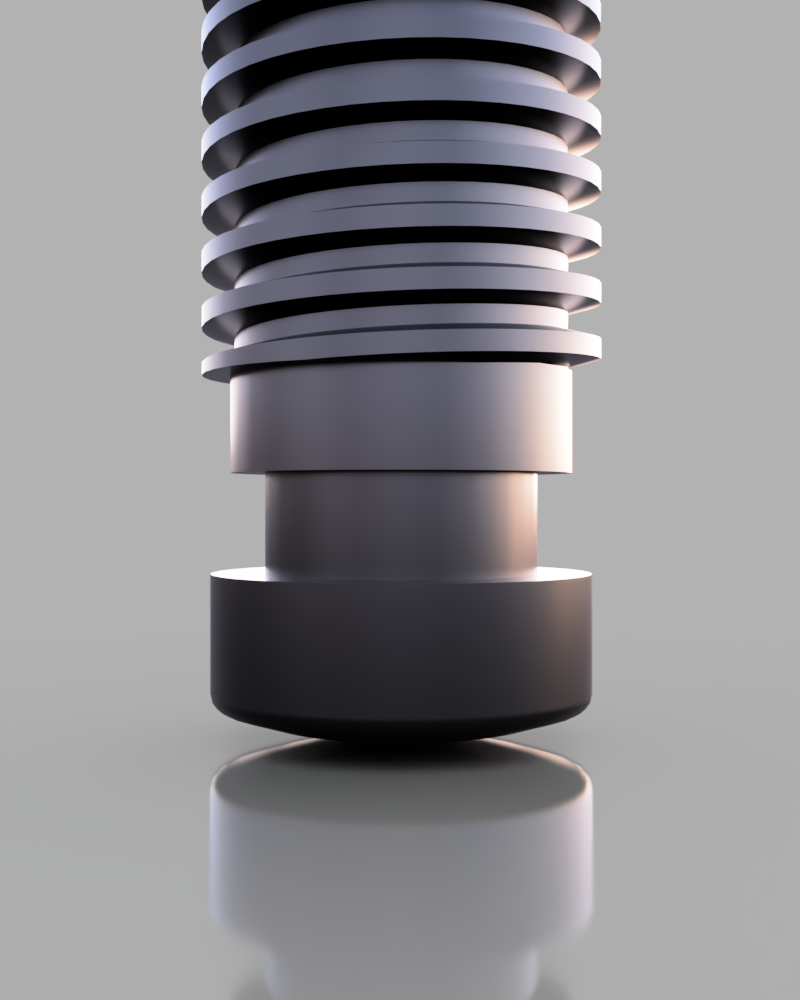
A thread type S22×3 with a minor diameter of 16.794 mm was selected. The calculated critical buckling stress was 532.747 MPa, and the applied stress was 90.288 MPa, resulting in a safety factor of 5.90
3.2. Stress Analysis:
Power screw:
Shear Stress: 61.969 MPa
Compression Stress: 90.288 MPa
Equivalent Stress: 140.258 MPa
All values were below material yield strength limits.
Base frame:
Maximum stress: 145 MPa
Maximum displacement: 0.96 mm
Pressure plate:
Maximum stress: 126 MPa
Maximum displacement: 0.39 mm
3.3. Nut Assessment:
Nut material: High-leaded Tin Bronze (SAE 660)
Shear strength $\tau_{all}$ = 96 MPa
Minimum height due to shear: 36.3 mm
Minimum height due to bearing stress: 39.8 mm
A final height of 40 mm was selected to satisfy both constraints
3.4. Torque Requirements and Efficiency:
Maximum required torque: 57.63 Nm
Thread efficiency: 16.57%
Handwheel force required: 182.96 N for a 315 mm diameter wheel
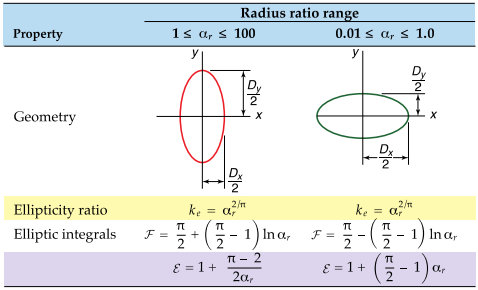
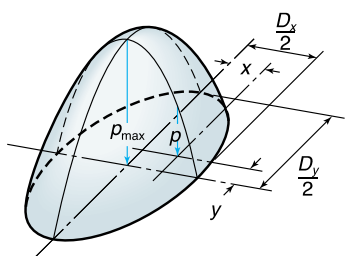
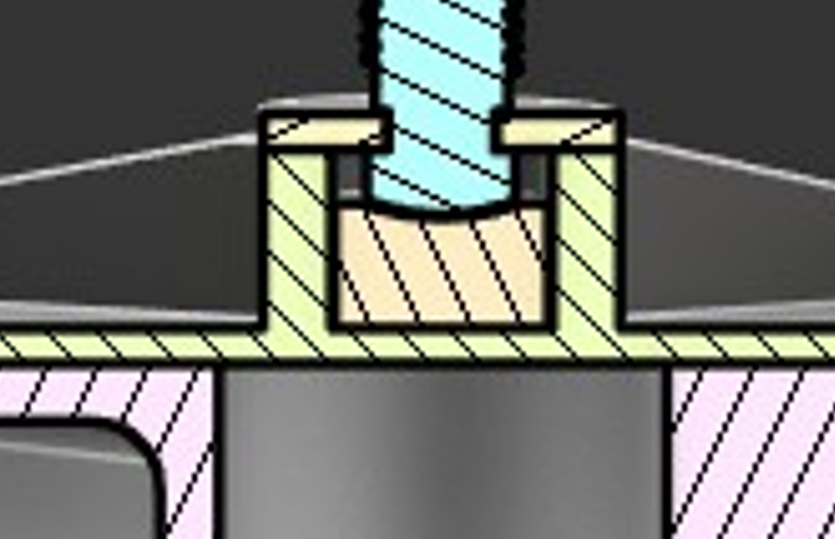
3.5. Contact Stress (Screw–Washer Interface):
Max contact pressure: 293.19 MPa
Average compression stress: 195.46 MPa
Safety factor: 1.64, which is within acceptable limits for bronze alloy interfaces
Conclusion
The structural and mechanical evaluations confirm the design’s safety and functionality under
the given loading conditions. The screw-nut assembly, key connection, and base all meet design
criteria with appropriate safety factors. Torque and efficiency values are acceptable for manual
operation using a 315 mm handwheel.
No further reinforcement is needed, and all calculations align with classroom methodologies
and literature standards.
References
1. Madsen, David A. Engineering Drawing and Design. Delmar Cengage Learning.
2. Schmid, Steven R. Fundamentals of Machine Elements. CRC Press.
3. Lecture slides and notes, Professor Slavomir Kedziora, MSPC-18, University of Luxembourg, 2025.
4. https://www.matweb.com/
Novin
An independent full-stack web developer from Ireland.